

Welcoming a new puppy into your home is an exciting adventure. It is filled with adorable moments and endless energy. Beyond the playful times and puppy cuddles, there lies an essential aspect of puppyhood that can significantly shape your dog’s future behavior. This is puppy socialization.
Yes, it’s very crucial to train your puppy early in stage for them to be well-socialized. It’s fundamental to raise a well-rounded, confident, and friendly dog. In this blog post, we’ll get into why puppy socialization is essential, the benefits it brings, and the optimal time to start.
Disclosure: This post may contain affiliate links and I may receive a small commission if you purchase through them. There is no additional charge to you.
Why Puppy Socialization is Crucial
Puppy socialization is a foundational aspect of raising a well-adjusted, confident, and happy dog. During the critical developmental period, puppies are particularly receptive to new experiences. Exposing them to various people, animals, environments, and stimuli during this time helps them develop the skills and confidence they need to navigate the world.
Socialization helps prevent behavioral problems, such as fear and aggression, which can arise from unfamiliar or overwhelming situations. For example, a puppy that regularly interacts with different people and animals is more likely to be friendly and less fearful in new situations. Conversely, puppies that lack early socialization are at a higher risk of exhibiting problematic behaviors.
According to a study published in the Journal of Veterinary Behavior, dogs that were not properly socialized as puppies had a higher incidence of aggression and anxiety-related behaviors. By ensuring your puppy has positive interactions during this crucial period, you set them up for success as they grow into adulthood.
The importance of socialization extends beyond preventing negative behaviors. A well-socialized puppy is more likely to be friendly and comfortable around new people and animals, reducing stress and anxiety for both the dog and the owner.
This ease of interaction makes everyday activities, such as vet visits, grooming sessions, and trips to the park more enjoyable and less stressful. Additionally, socialized puppies are better equipped to handle changes in their environment, such as moving to a new home or encountering new experiences. The benefits of proper socialization are long-lasting, contributing to a happier, healthier, and more harmonious relationship between you and your dog.
The Benefits of Puppy Socialization
There are many benefits of training your puppy to socialize. Here are some of the benefits:
1. Enhanced Confidence
Puppy socialization plays a pivotal role in enhancing a young dog’s confidence, setting the stage for a lifetime of positive interactions and experiences. During the critical socialization period, exposing your puppy to a variety of new situations helps them learn that the world is not a scary place.
When a puppy encounters different people, animals, sounds, and environments in a controlled and positive manner, they begin to understand that these new experiences are safe and enjoyable. This understanding fosters a sense of security and self-assurance that is crucial for a confident demeanor.
A confident puppy is less likely to react with fear or aggression when faced with unfamiliar situations. For example, a well-socialized puppy that has been gently introduced to various types of people, from children to elderly individuals, will approach new human encounters with curiosity and ease rather than anxiety. This confidence extends to interactions with other animals as well.
Puppies that have had positive playdates with a variety of dogs learn valuable social cues and become more adept at reading and responding to other dogs’ body language. This reduces the likelihood of aggressive encounters and promotes harmonious relationships.
Moreover, the confidence gained through socialization positively impacts a puppy’s ability to cope with change and stress. Life is full of unpredictable events, whether it’s a visit to the vet, a car ride, or moving to a new home. A well-socialized puppy, having been exposed to different environments and experiences, is more adaptable and resilient.
They are better equipped to handle new situations calmly and confidently, without succumbing to fear or stress. This adaptability makes them easier to train and manage, contributing to a more relaxed and enjoyable companionship.
The long-term benefits of enhanced confidence through socialization cannot be overstated. Confident dogs are generally happier and healthier, as they are less prone to stress-related behaviors and illnesses. They are also more likely to engage in positive activities, such as playing and exploring, which contribute to their overall well-being. By investing time and effort into properly socializing your puppy, you are not only helping them develop confidence but also laying the groundwork for a fulfilling and joyful life together.
2. Reduced Fear and Anxiety
Puppy socialization is instrumental in reducing fear and anxiety, providing a young dog with the tools to navigate the world with confidence and ease. During the early developmental period, puppies are naturally curious and open to new experiences.
By exposing them to a wide range of things, such as different people, environments, sounds, and other animals, in a positive and controlled manner, they learn that these new experiences are not threats. This early exposure helps puppies build positive associations, making them less likely to react with fear when encountering similar situations in the future.
A well-socialized puppy is better equipped to handle the unpredictability of daily life without becoming overly anxious. For instance, a puppy that has been gradually accustomed to household noises like vacuum cleaners, doorbells, and kitchen appliances will be less startled and stressed by these sounds as they grow older.
Similarly, puppies that have met a variety of people and other animals are less likely to feel threatened or fearful in social situations. This foundational exposure not only mitigates immediate fear responses but also builds a sense of security and trust in their environment, significantly reducing anxiety levels.
Reducing fear and anxiety through socialization has long-term benefits for a dog’s overall health and well-being. Chronic fear and anxiety can lead to a host of behavioral issues, such as excessive barking, destructive behavior, and aggression, as well as physical health problems like gastrointestinal issues and weakened immune response.
By addressing these potential problems early through effective socialization, you can ensure that your puppy grows into a calm, well-adjusted adult dog. This not only makes life more enjoyable for the dog but also for the owner, fostering a stronger, more harmonious bond between you and your furry companion.
3. Adaptability
Adaptability is another benefit puppy socialization provides. It helps a puppy to handle new and changing environments with ease. When puppies are introduced to a variety of settings, sounds, and experiences, they learn to navigate unfamiliar situations confidently. This exposure helps them develop the mental flexibility needed to adapt to different circumstances.
For instance, a puppy that has been taken to different parks, pet-friendly stores, and bustling streets will be less fazed by new locations and more comfortable in diverse environments. This adaptability is crucial for a harmonious life, as it ensures that the dog can cope with changes without becoming overly stressed or anxious.
Furthermore, socialized puppies are better prepared to handle life’s inevitable changes, such as moving to a new home, encountering different people, or adjusting to new routines. A well-socialized puppy that has been gently introduced to various people, including children, adults, and the elderly, will adapt more readily to different social settings.
This adaptability makes it easier for the dog to integrate into various situations, whether it’s a family gathering, a visit to the vet, or a stay at a boarding facility. The ability to adjust smoothly to new circumstances not only makes the dog’s life more enjoyable but also reduces the likelihood of stress-related behaviors.
Adaptability gained through socialization also fosters a positive outlook in dogs, encouraging them to explore and engage with their environment actively. This curiosity and willingness to engage are vital for their mental and physical well-being.
A dog that is comfortable and adaptable in different settings is more likely to participate in varied activities, such as hiking, traveling, or visiting friends, enriching their life with diverse experiences. By prioritizing socialization, you are nurturing a flexible, well-adjusted companion who can thrive in a multitude of environments, leading to a happier and more fulfilling life for both the dog and the owner.
4. Better Training
Puppy socialization plays a pivotal role in enhancing the effectiveness of training by creating a foundation of trust and confidence in young dogs. When puppies are introduced to various people, animals, and environments early on, they become more accustomed to change and new experiences.
This exposure makes them more receptive to training because they are less likely to be distracted or stressed by unfamiliar situations. A well-socialized puppy is more focused and cooperative during training sessions, which significantly accelerates the learning process. This foundation of trust also means that the puppy is more likely to view training as a positive experience, associating new commands and behaviors with rewards and positive reinforcement.
Moreover, socialized puppies are generally more comfortable around people, including trainers and other handlers. This comfort level is crucial for obedience training and advanced training classes, where the presence of other dogs and people is inevitable. Socialized puppies are less likely to exhibit fear-based behaviors, such as barking, growling, or hiding, which can disrupt training sessions and hinder progress.
Instead, they are more likely to engage positively with their trainers and peers, fostering an environment conducive to learning. This positive engagement not only makes the training process smoother but also enhances the bond between the puppy and the owner, as the puppy learns to trust and respond to their commands effectively.
Additionally, socialization helps puppies develop better problem-solving skills and adaptability, which are essential for successful training. When puppies are exposed to various stimuli and challenges, they learn to navigate and respond to different situations, enhancing their cognitive abilities. These skills are transferable to training scenarios, where a puppy’s ability to think and adapt is tested.
A well-socialized puppy can better understand and execute commands, even in distracting or challenging environments, leading to more consistent and reliable behavior. This adaptability ensures that the puppy can perform well in a variety of settings, making training more effective and lasting. By investing in proper socialization, you lay the groundwork for a more trainable, well-behaved, and confident dog.
5. Improved Relationships
Puppy socialization is crucial for improving relationships between dogs and their owners, as well as with other dogs and people. When a puppy is properly socialized, they learn to trust and feel comfortable around humans, which strengthens the bond between pet and owner. This trust makes it easier for owners to train and communicate with their dogs, fostering a cooperative and harmonious relationship.
A well-socialized puppy is more likely to enjoy interactions with their owner, whether it’s playtime, training sessions, or simply relaxing together. This positive dynamic enhances the overall quality of life for both the dog and the owner.
Moreover, socialized puppies are better equipped to form healthy relationships with other dogs. Early exposure to various dogs teaches puppies how to read and respond to canine social cues, reducing the likelihood of aggressive or fearful behaviors.
This ability to interact appropriately with other dogs is crucial for their social well-being, as it allows them to enjoy playdates, dog parks, and other social settings without stress or conflict. Socialized dogs are more confident and relaxed around their peers, leading to positive and enjoyable interactions. This not only benefits the dog but also makes social outings more pleasant and stress-free for the owner.
Additionally, socialization helps puppies develop good manners and behavior around people, including friends, family, and strangers. A well-socialized puppy is less likely to be fearful or aggressive towards new people, making them more welcome in various social situations. This improves the dog’s ability to integrate into the owner’s social life, whether it’s hosting guests at home or taking the puppy to public places.
The ability to confidently and calmly interact with people enhances the dog’s reputation as a friendly and well-behaved companion, fostering positive relationships with everyone they meet. Through proper socialization, puppies learn to navigate the world with ease, building strong, trusting relationships that enrich their lives and the lives of those around them.
6. Easier Vet Visits
Puppy socialization plays a significant role in making vet visits easier and less stressful for both the dog and the owner. Early socialization includes exposing puppies to different types of handling and environments, which can closely mimic the experiences they will encounter at the veterinarian’s office.
By gently acclimating puppies to being touched, having their paws, ears, and mouths examined, and experiencing various noises and smells, they become more comfortable with the physical aspects of a vet visit. This familiarity reduces anxiety and fear, making it easier for the vet to conduct thorough examinations and provide necessary treatments.
Moreover, socialized puppies are more accustomed to meeting and interacting with new people, which includes veterinary staff. A well-socialized puppy is likely to approach new individuals with curiosity rather than fear, making them more cooperative and calm during check-ups.
This positive interaction not only facilitates a smoother and quicker vet visit but also ensures that any signs of distress or health issues are less likely to be overlooked. By ensuring your puppy is well-socialized, you are helping to create a foundation for stress-free vet visits throughout their life, contributing to better overall health and well-being.
In conclusion, the benefits of puppy socialization extend beyond mere obedience. Confidence, reduced stress, adaptability, ease of training, and stronger bonds are just a few of the numerous advantages that come from properly socializing a puppy. Investing time and effort into this crucial aspect of puppy development can lead to a happier and more harmonious life for both the puppy and its owner.
The Optimal Time for Puppy Socialization
The period between 3 to 14 weeks of age, often referred to as the ‘socialization window,’ is a crucial phase in a puppy’s development. During this time, puppies are exceptionally receptive to new experiences, making it the optimal time for socialization. Early socialization is essential as it significantly impacts a puppy’s behavior and temperament in adulthood. Failing to socialize a puppy within this window can lead to behavioral issues such as fear, aggression, and anxiety.
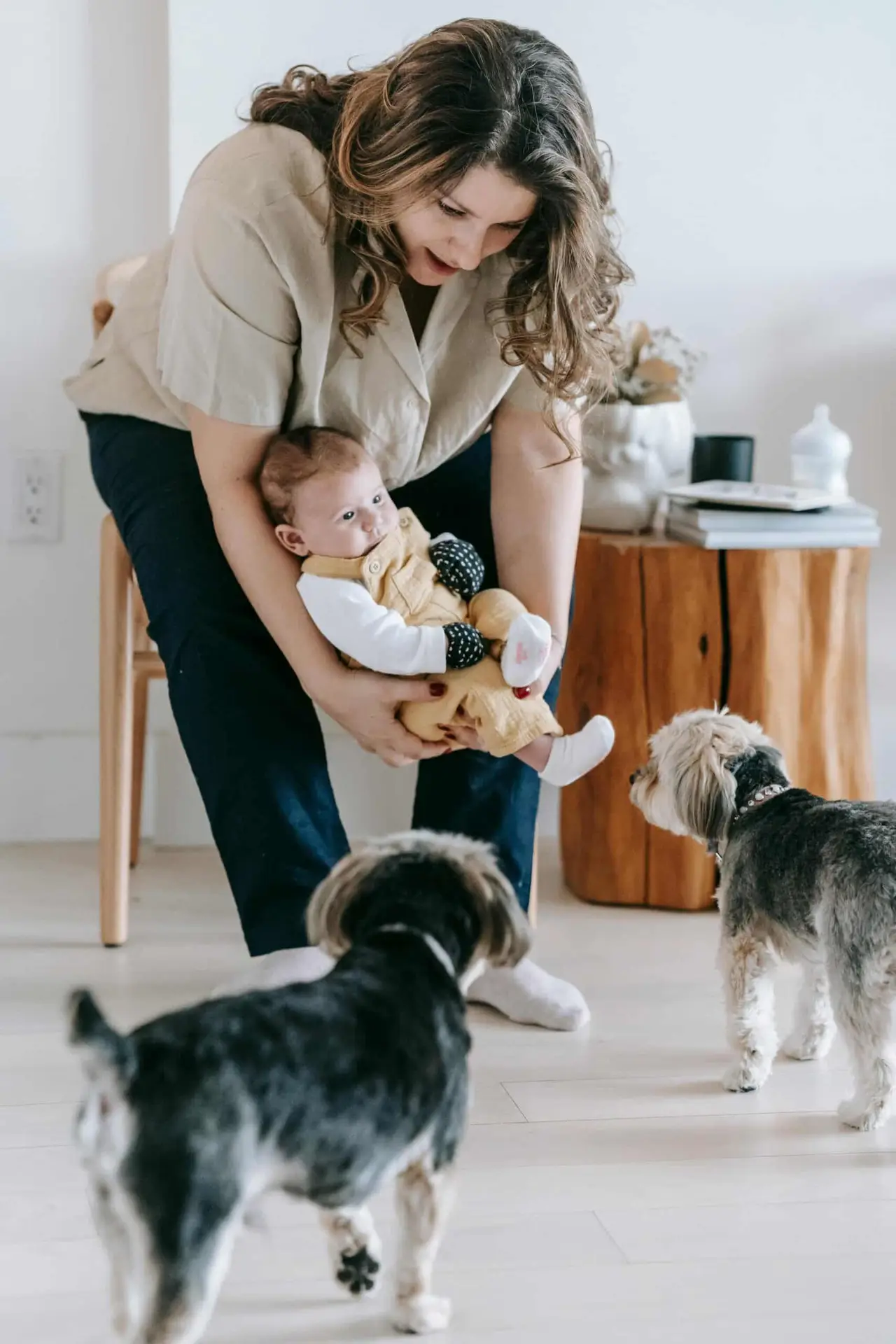
Ensuring a puppy is exposed to a variety of experiences during this period is vital. This includes meeting different types of people, encountering other animals, and experiencing various environments such as parks, streets, and homes. It is important to introduce puppies to a range of stimuli, such as different sounds, textures, and sights, to help them become well-adjusted adults.
While socializing your puppy, vaccinations play a crucial role in balancing safety with exposure. Puppies should receive their first set of vaccinations by around 6 to 8 weeks of age, with booster shots following every few weeks until they are about 16 weeks old.
Although it is important to protect puppies from infectious diseases, it is equally vital to ensure they have positive social experiences. One way to do this is by arranging playdates with vaccinated, healthy dogs or attending puppy socialization classes where hygiene and safety protocols are strictly followed.
Careful planning and supervision are necessary to provide a variety of positive experiences without overwhelming the puppy. Gradually increasing the complexity and intensity of these interactions can help build confidence and resilience. For instance, start with quieter environments and progressively introduce busier settings as the puppy becomes more comfortable.
In summary, the socialization window between 3 to 14 weeks of age is a critical period for puppy development. By exposing puppies to diverse and controlled experiences, while ensuring their health and safety through proper vaccination, owners can significantly influence their puppy’s ability to navigate the world confidently and comfortably in adulthood.
Socialization for Different Breeds
Different breeds may have unique socialization needs based on their temperaments and natural inclinations. For example, breeds like the Labrador Retriever, known for their friendly and outgoing nature, often take to socialization with ease. These puppies generally enjoy meeting new people and other dogs, and they thrive in environments where they can interact with a variety of stimuli.
Early socialization for Labradors typically involves plenty of playdates, exposure to different settings, and positive reinforcement to build their natural confidence and sociability.
On the other hand, breeds such as the German Shepherd, known for their loyalty and protective instincts, may require a more structured approach to socialization. German Shepherd puppies benefit from controlled and positive introductions to new experiences to prevent fear or aggression later in life.
These introductions should be gradual and include diverse environments, sounds, and people. Providing them with a sense of routine and security during socialization can help these intelligent and sometimes wary dogs become well-adjusted adults who can distinguish between friend and foe.
Small breeds like the Chihuahua or the Dachshund might have a tendency towards timidity or defensiveness if not properly socialized. These breeds can be more sensitive to their surroundings and may need extra reassurance and positive experiences to build their confidence. Socialization for small breeds should include exposure to larger dogs, gentle handling by various people, and safe exploration of different environments.
It’s crucial to ensure that these small puppies have positive interactions that reinforce their sense of safety and trust, helping to prevent the development of fear-based behaviors.
Ultimately, the key to successful socialization for any breed lies in understanding the individual puppy’s personality and adjusting the approach accordingly. Positive reinforcement, patience, and consistent exposure to a variety of experiences will help any puppy grow into a well-behaved and emotionally balanced adult.
Whether your pup is a boisterous Labrador, a vigilant German Shepherd, or a delicate Chihuahua, tailored socialization practices will set the foundation for a happy and well-adjusted companion.

The Long-Term Impact of Socialization
A well-socialized puppy grows into a dog that is confident, friendly, and adaptable. They are better equipped to handle life’s surprises and changes, whether it’s a move to a new home, the arrival of a new baby, or a trip to the veterinarian. The time and effort you invest in socializing your puppy pay off in the form of a well-adjusted, happy companion who enriches your life for years to come.
Conclusion
Puppy socialization is a critical component of raising a well-behaved, confident, and happy dog. By exposing your puppy to a variety of people, animals, environments, and experiences during their early developmental stages, you lay the groundwork for a lifetime of positive interactions. Remember to start early, use positive reinforcement, and tailor the socialization process to your puppy’s unique needs and temperament. With patience, consistency, and a lot of love, you’ll help your puppy grow into a wonderful, well-rounded adult dog.
Further Reading
For more information on puppy socialization, consider exploring books such as “The Puppy Primer” by Patricia B. McConnell and “Before and After Getting Your Puppy” by Ian Dunbar. These resources provide in-depth guidance and additional tips for successfully socializing your puppy.