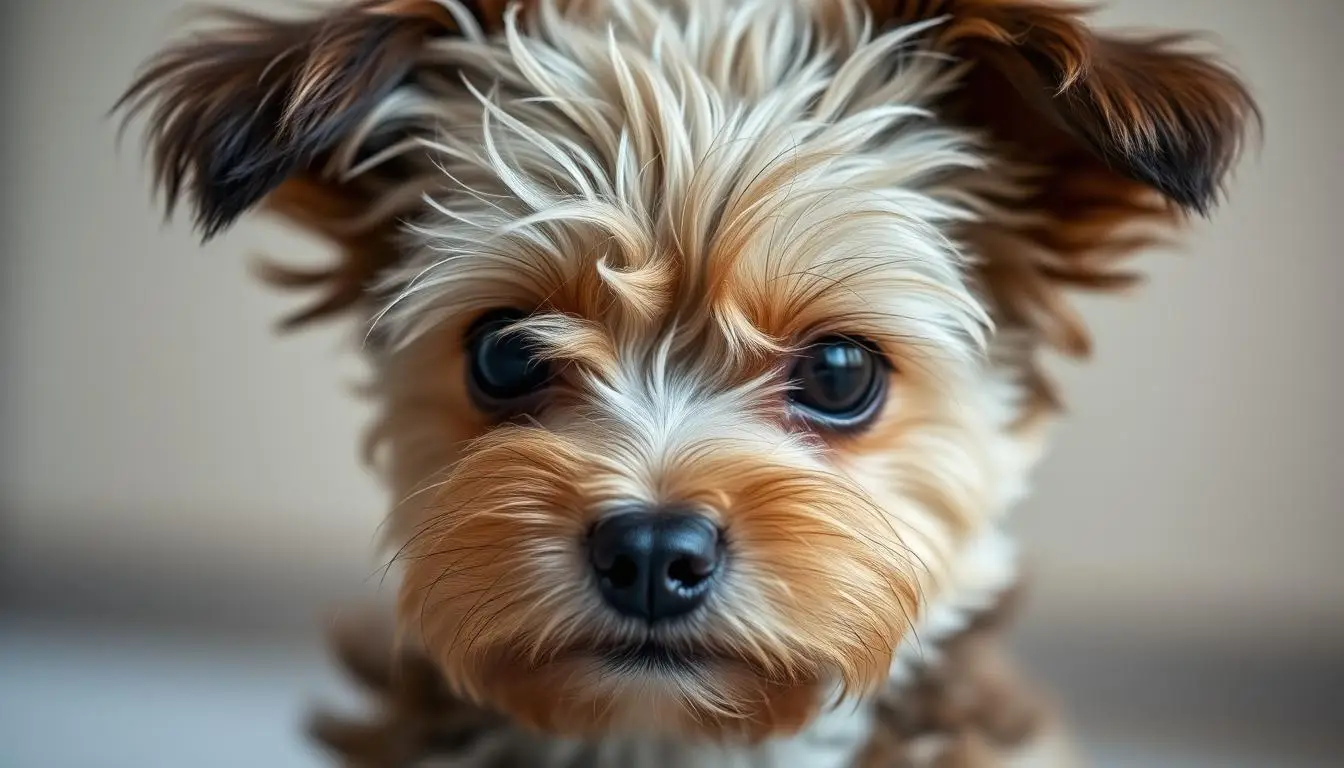
Did you know over 75% of dogs get vision problems? As a small dog owner, knowing how to identify if your small dog have eye issue is important. Small dogs face special eye challenges that can really hurt their life quality if not treated.
In this guide, you’ll learn to spot eye health issues in your small dog. You’ll also find the best ways to treat them. By knowing about common eye problems in small breeds, you can keep your dog’s vision safe. This way, they can stay happy and healthy with you.
Key Takeaways
- Small dog breeds are more susceptible to certain eye conditions
- Recognizing the signs and symptoms of vision loss is crucial for early intervention
- Regular eye exams and preventive care can help maintain your dog’s eye health
- Treatment options vary depending on the specific condition and its severity
- Providing a safe, supportive environment is essential for dogs with vision impairments
Understanding Small Dog Vision Issues
As a small dog owner, identifying vision issues early is key for your pet’s happiness. Small dogs face many eye problems that can cause vision loss. Knowing about these issues helps you protect your pet’s eyes and keep them healthy.
- Cataracts
- Glaucoma
- Progressive Retinal Atrophy (PRA)
- Corneal ulcers
- Dry eye syndrome
These eye problems can come from age, genetics, or health issues. For instance, Pugs, Shih Tzus, and Chihuahuas are more likely to have eye problems. This is because of their face shape and genetics.
Ignoring vision problems can make them worse, leading to blindness. But, regular vet visits and early treatment can help manage many conditions. This way, your small dog can keep their sight and live a happy life.
By learning about vision issues and talking to your vet, you can help your small dog’s eyes. In the next parts, we’ll look at common eye problems, signs to watch for, and treatment options. This will help your pet see clearly for many years.
Common Eye Conditions in Small Breeds
Small dog breeds face many eye disorders that can harm their vision and life quality. As a caring pet owner, knowing these common issues is vital. Early action and canine ophthalmology care can save your pet’s sight and health.
Cataracts
Cataracts make the eye’s lens cloudy, affecting vision. They can be caused by genetics, aging, or health issues like diabetes. Look for a gray or white spot, cloudiness, and vision loss. Treatment can be eye drops or surgery to remove the lens.
Glaucoma
Glaucoma is a painful eye condition due to high eye pressure. It can damage the optic nerve if not treated. Signs are redness, tearing, squinting, and a cloudy eye. Quick vet care is key to managing it and saving vision.
Progressive Retinal Atrophy (PRA)
PRA is a group of inherited eye diseases that harm the retina. It causes night blindness and vision loss. Dogs may avoid dark places, have dilated pupils, and bump into things. While there’s no cure, regular vet visits and care can help manage it.
| Condition | Symptoms | Treatment |
|---|---|---|
| Cataracts | Cloudy or opaque lens, vision loss | Medicated eye drops, surgical removal |
| Glaucoma | Redness, tearing, squinting, cloudy eye | Medication to reduce eye pressure, surgery |
| PRA | Night blindness, dilated pupils, bumping into objects | Regular check-ups, supportive care |
Knowing about these eye conditions helps protect your small dog’s vision. Regular eye exams, a healthy lifestyle, and quick vet care are essential for their eye health.
Signs and Symptoms of Vision Loss in Small Dogs
As a small dog owner, knowing the signs of vision loss is key. Early action can greatly improve your dog’s life. Look for changes in behavior and physical signs to act fast and care for your pet.
Changes in Behavior
Behavioral changes are a clear sign of vision loss in small dogs. They might be more hesitant or fearful in familiar places. They could also bump into things or not want to climb stairs or jump on furniture.
They might seem more startled or confused, especially in the dark or new places. Other signs include:
- Increased clumsiness or disorientation
- Reluctance to play or engage in usual activities
- Increased sleeping or lethargy
- Changes in appetite or water intake
Physical Changes in the Eyes
Physical eye changes are also important to watch for. These can vary based on the cause but include:
- Cloudy or hazy appearance of the eyes: This could mean cataracts or other vision-blocking conditions.
- Redness or inflammation: This is a sign of infection, glaucoma, or other eye issues.
- Discharge or excessive tearing: Unusual eye discharge or tears can point to an eye problem or irritation.
- Changes in pupil size or responsiveness: If your dog’s pupils are always big or don’t react to light, it could be a vision or neurological issue.
If you see these signs in your small dog, see your vet right away. They can check your dog’s eyes and suggest the best treatment. This might include tests, treatments, or changes in your dog’s life to help their vision. By being careful with your dog’s eye care, you can keep their sight and make sure they’re happy and healthy.
How to Recognize and Treat Vision Problems in Small Dogs
As a small dog owner, it’s crucial to watch for vision issues early. Catching signs of vision problems quickly helps your dog stay happy and healthy. Here’s how to spot and treat vision problems in your small dog.
First, notice any changes in your dog’s behavior. If your usually energetic dog seems hesitant or bumps into things, it might mean they can’t see well. Also, look for eye changes like cloudiness, redness, or discharge. These could mean your dog has an eye problem that needs a vet’s help.
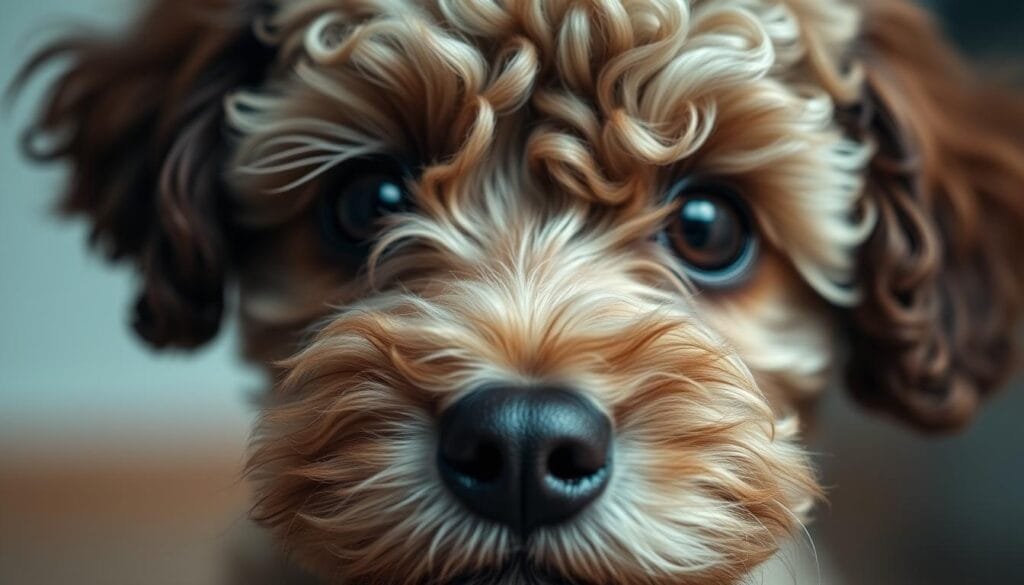
If you think your small dog has vision problems, see your vet fast. They’ll do a detailed eye check to see how your dog is seeing. Based on what they find, your vet might suggest treatments like medicine, surgery, or care to help your dog.
For treating vision issues in small dogs, there are many options in canine ophthalmology. Vets can do surgeries for cataracts or manage glaucoma. By following your vet’s advice, you can help your small dog keep their vision and stay healthy.
Diagnostic Tests for Canine Vision Issues
Ensuring your small dog’s eye health is key. Early detection and diagnosis of vision problems are crucial. Veterinarians use various tests to identify and assess eye disorders in dogs. These tests help find the cause and guide treatment.
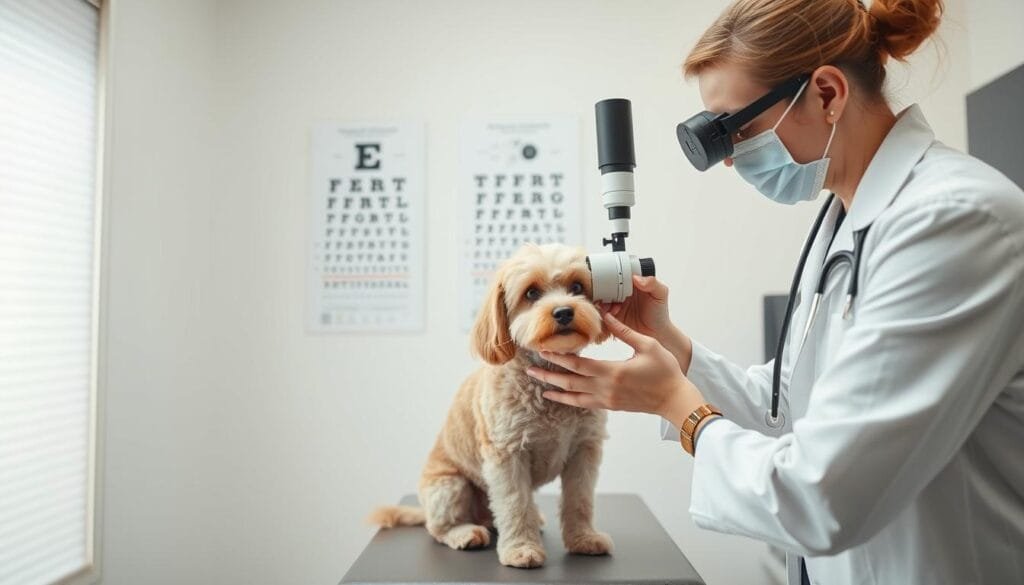
Eye Exams
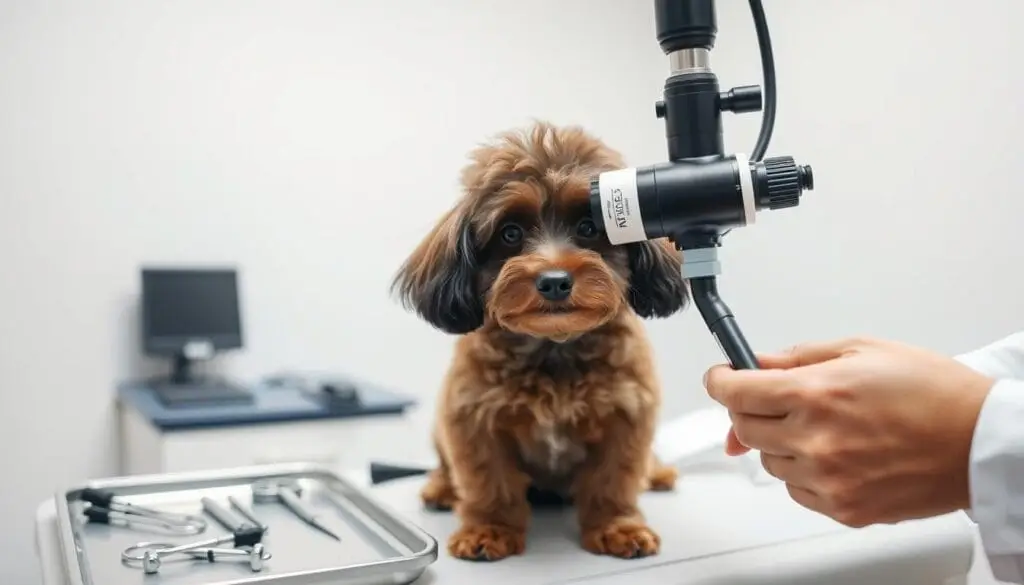
A comprehensive eye exam is the first step. Your veterinarian will check your dog’s eye structure, clarity, and function. They look for signs of inflammation, cataracts, glaucoma, and other disorders.
The exam may include tests like the Schirmer tear test and the tonometry test. These tests measure tear production and intraocular pressure.
Imaging Tests
Advanced imaging tests may be needed for some eye disorders. These tests give detailed images of the eye’s internal structures. This helps veterinarians spot abnormalities not seen in a standard exam.
Common imaging tests include:
- Ultrasound: Uses sound waves to create images of the eye and surrounding tissues. It can detect tumors, retinal detachments, and other disorders.
- MRI (Magnetic Resonance Imaging): Provides detailed images of the eye and brain. It helps identify neurological causes of vision loss.
- OCT (Optical Coherence Tomography): Uses light waves to create high-resolution images of the retina. It helps detect subtle changes in the retinal layers.
Genetic Testing
Some eye disorders in dogs are inherited. Genetic testing can identify dogs with these genes. This helps breeders make informed decisions to reduce the risk of passing on these conditions.
If you’re considering adopting a small dog, ask the breeder about genetic testing on the parents.
Treatment Options for Small Dog Eye Conditions
When your small dog gets an eye disorder, your vet will suggest the best treatment. This depends on the condition and how serious it is. Treatments range from medicine to surgery, all aimed at keeping your dog’s eyes healthy.
Medical Treatments
Many eye issues in small dogs can be treated with medicine. This includes:
- Eye drops or ointments to reduce inflammation, control intraocular pressure, or prevent infection
- Oral medications such as antibiotics, anti-inflammatories, or glaucoma drugs
- Nutritional supplements to support eye health and slow the progression of certain disorders
Your vet will tell you how to give the medicine and for how long. It’s important to go back for check-ups to see how your dog is doing and make changes if needed.
Surgical Interventions
In some cases, surgery is needed to treat your small dog’s eye issue. Common surgeries include:
- Cataract surgery: Removal of the cloudy lens to restore vision
- Glaucoma surgery: Procedures to reduce intraocular pressure and prevent further damage to the optic nerve
- Eyelid surgery: Correction of eyelid abnormalities that may cause irritation or vision impairment
- Enucleation: Removal of the eye in cases of severe pain or disease
Your vet will talk about the risks and benefits of surgery. They will also give you instructions before and after the surgery. With the right care, many small dogs with eye problems can live well, even if they can’t see as well.
Supportive Care for Dogs with Vision Loss
When your small dog loses their vision, it’s crucial to offer supportive care. This helps them adjust and live well. A few changes in their environment and routine can make a big difference. This way, your dog can move around safely and with confidence.
Creating a Safe Environment
To make a safe space for your dog, follow these tips:
- Remove sharp objects or unstable furniture
- Use baby gates to block off stairs or dangerous areas
- Keep your dog’s bed, food, and water bowls in the same spot
- Use textured mats or rugs to help them navigate different rooms
Enhancing Other Senses
Dogs without vision often use their other senses more. Here’s how you can help:
- Use scent markers or essential oils to mark important spots
- Attach bells to their collar so you can find them easily
- Teach them verbal commands and use a consistent voice
- Encourage them to explore with their sense of touch
Providing Emotional Support
Dealing with vision loss can stress your dog. Give them extra love and attention:
- Spend quality time with your dog, offering gentle pets and cuddles
- Keep a consistent routine to give them a sense of security
- Introduce new experiences slowly and with positive feedback
- Consider joining a support group for owners of dogs with vision loss
With patience, understanding, and the right care, your small dog can still have a happy life. Even with vision loss.
Preventing Vision Problems in Small Dogs
As a small dog owner, it’s vital to protect your pet’s eye health. By taking early steps and staying alert, you can lower the risk of eye issues in toy breeds. Here are some important ways to keep your dog’s eyes healthy and prevent vision problems.
Regular vet visits are key to catching eye problems early. Your vet will check for cataracts, glaucoma, and other issues. Early treatment can greatly improve your dog’s vision.
Feeding your small dog a healthy diet is also crucial. Choose a high-quality food rich in antioxidants like vitamins A, C, and E. These vitamins protect the eyes. Omega-3 fatty acids in fish oil supplements also help by reducing inflammation.
It’s important to keep your dog’s eyes safe from injuries and irritants. When outside, avoid tall grass and bushes that could harm their eyes. Trim long facial hair to prevent irritation. Use a gentle, pet-safe eye cleaner to remove dirt or discharge.
By following these steps and watching your dog’s eye health, you can help them see clearly for years. Regular vet visits, a healthy diet, and eye protection are all part of a good eye care plan for toy breeds.
Conclusion
Small dog vision problems can really affect your pet’s happiness. Knowing about common eye issues like cataracts and glaucoma helps you spot problems early. Watch for changes in your dog’s behavior and eye look closely.
If you think your small dog’s vision is off, get vet help fast. Your vet can do tests to find out what’s wrong and how to fix it. Treatment might include medicine, surgery, or both, based on the issue.
Helping your dog at home is also important. Make their space safe, boost their other senses, and offer love. Early action and good care can keep your dog’s vision and health in top shape. Being an active pet owner and teaming up with your vet can make a big difference. This way, your small dog can stay happy and healthy with you.
FAQ
What are some common eye conditions in small dog breeds?
Small dog breeds often face eye issues like cataracts, glaucoma, and progressive retinal atrophy (PRA). These can cause vision problems or even blindness if not treated.
How can I tell if my small dog is experiencing vision problems?
Look for changes in your dog’s behavior. They might seem more anxious, bump into things, or avoid familiar places. Also, watch for eye changes like cloudiness, redness, or discharge.
What should I do if I suspect my small dog has a vision problem?
If you think your dog has vision issues, see your vet right away. They can do a detailed eye exam and suggest the best treatment. This might include medicine or surgery.
What diagnostic tests are used to identify canine vision issues?
Vets use many tests to find vision problems in dogs. These include eye exams, imaging like ultrasound or MRI, and genetic tests. These help figure out the problem and how serious it is.
Are there any preventive measures I can take to maintain my small dog’s eye health?
Yes, there are steps you can take to keep your dog’s eyes healthy. Regular eye check-ups, a healthy diet, and protecting their eyes from harm are key. Also, know about any eye issues common in your dog’s breed.
How can I support my small dog if they experience vision loss?
If your dog loses their vision, you can help them adjust. Make their environment safe, use scent and touch to help their senses, and offer emotional support. Be patient as they learn to navigate without sight.