

Getting a new puppy is a thrilling experience, even more so with a small dog breed. To make the transition smooth, having the right starter items are essential. This guide will help you get ready for your new pet’s arrival with everything from cozy bedding to nutritious food and fun toys.
As a new small dog owner, you want to give your pet the best care. Having all the essential supplies ready before bringing your pet home makes the transition easier. A good puppy starter kit includes a comfy bed, the right food, bowls, a collar and leash, grooming tools, and toys that keep your pet engaged.
Key Takeaways:
- Invest in a cozy, appropriately sized bed for your small dog’s comfort
- Choose high-quality, age-appropriate food and portable bowls for meals on the go
- Select a well-fitting collar, leash, and harness set for safety and training
- Have grooming tools and hygiene essentials on hand for your small breed’s needs
- Provide mentally stimulating toys and healthy treats for training and rewards
With these essential items in your puppy starter kit, you’ll be ready to welcome your new small dog. This ensures a happy and healthy start to your life together.
Essential Supplies for Your New Tiny Furry Friend
Getting a new small dog is exciting. But, you need the right supplies for their comfort and health. Here are the must-haves for your new furry friend.
1. Comfortable and Cozy Miniature Dog Beds
It’s vital to give your small dog a comfy place to sleep. Miniature dog beds come in many sizes and styles. Choose one that’s soft, cozy, and supportive for a good night’s sleep.
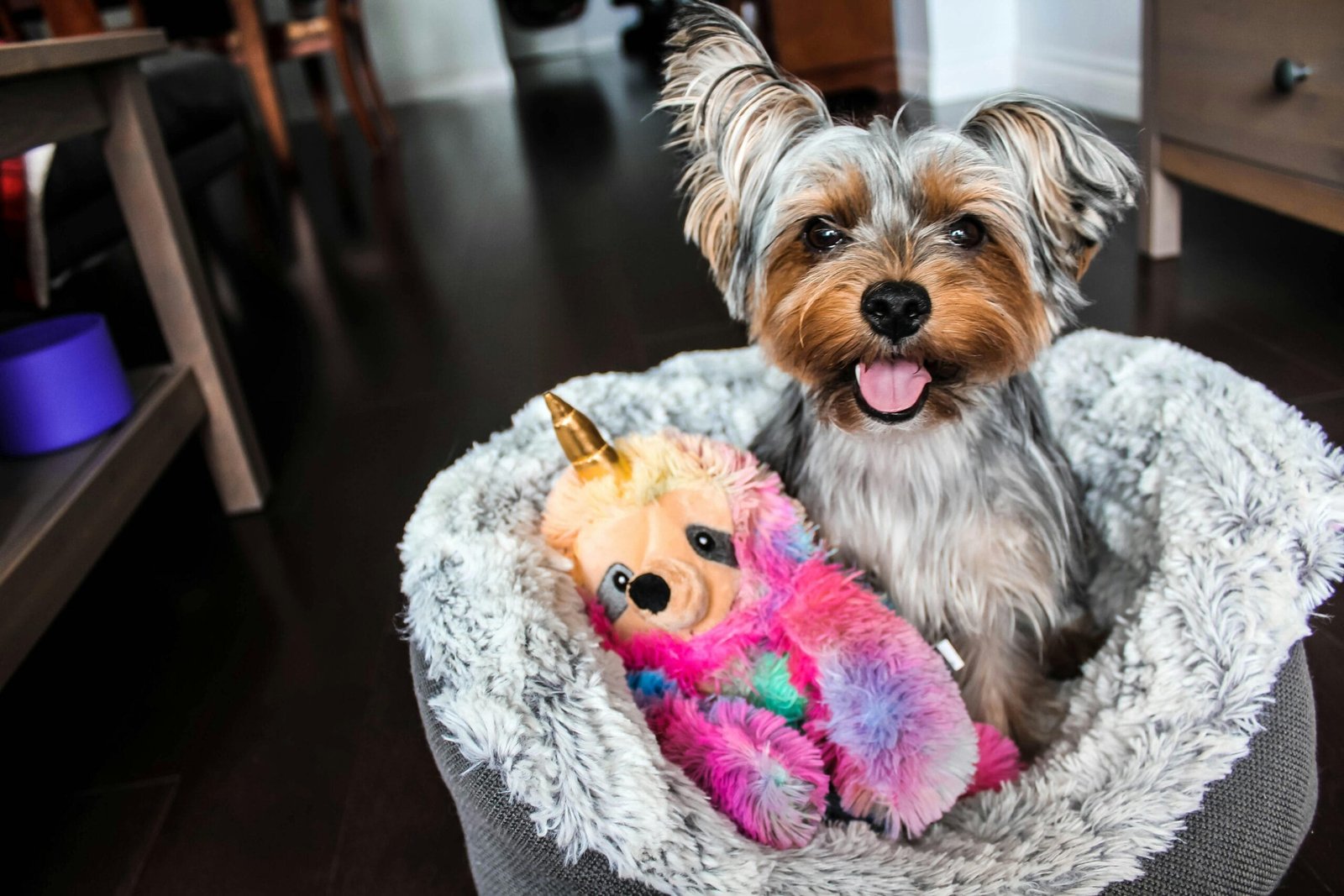
Think about your dog’s size and sleep habits when picking a bed. Some like a snug bed, while others prefer a bigger one. Also, consider a bed with a cover that’s easy to wash.
2. Portable Dog Bowls for Food and Water on the Go
Portable dog bowls are a must for small dog owners who love adventures. These bowls are perfect for feeding and watering your dog on the go. They’re often collapsible or foldable, making them easy to carry.
Look for bowls made from durable materials like silicone or stainless steel. They should be easy to clean and not wear out quickly. Some even have carabiners for clipping to your bag or leash.
3. Puppy-Sized Collar, Leash, and Harness Set
A good collar, leash, and harness set is key for your dog’s safety. Choose adjustable ones that fit your growing dog comfortably. Collars should be soft and leashes sturdy.
Harnesses are a great option as they spread the force of pulling more evenly. This reduces neck strain. Make sure the harness fits well and is comfortable for your dog.
“Investing in high-quality, size-appropriate supplies for your small dog is key to ensuring their comfort, safety, and happiness as they settle into their new home.”
4. Grooming Tools and Hygiene Essentials for Small Breeds
Keeping your small breed puppy clean and well-groomed is key for their health and happiness. As a new dog owner, having the right dog grooming tools and hygiene products is vital. This makes grooming sessions easy and stress-free.
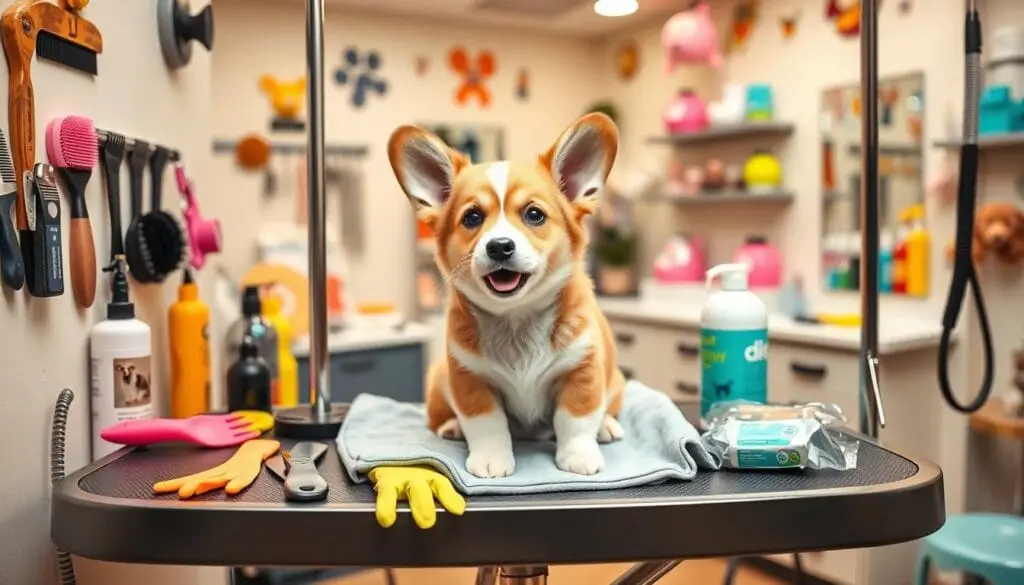
When choosing grooming tools for your small breed dog, pick items made for their size and coat type. A soft-bristled brush and fine-toothed comb are essential for a tangle-free coat. Regular brushing keeps your pup’s fur looking great and promotes healthy skin.
“Investing in quality grooming tools is key to making the experience enjoyable for both you and your small breed dog.” – Professional Groomer
Other vital puppy grooming tools include nail clippers, a toothbrush and toothpaste, and ear cleaning solution. Trimming your dog’s nails prevents painful overgrowth and keeps them comfortable. Brushing your pup’s teeth a few times a week is also important to prevent dental problems.
When bathing your small breed dog, use a gentle, puppy-friendly shampoo. Avoid bathing too often, as it can dry out their skin. Most small breed dogs only need a bath every few weeks, unless they get very dirty or smelly.
By using these grooming essentials in your puppy care routine, you’ll keep your tiny furry friend looking and feeling their best. Starting good grooming habits early makes the process easier and more enjoyable for both you and your small breed companion.
Must-Have Starter Kit for New Small Dog Owners
As a new small dog owner, you need the right tools and resources. This ensures your furry friend’s smooth transition. Puppy training guides, toys, and healthy treats are essential. They help raise a happy and well-behaved pup.
5. Puppy Training Guides and Resources
Comprehensive puppy training guides for small breed dogs are key. They offer insights into potty training, socialization, and basic commands. Look for guides with step-by-step instructions and positive reinforcement.
Age-Appropriate Toys for Mental Stimulation and Physical Activity
Small breed dog toys come in various sizes and shapes. They cater to different developmental stages. Puppies need toys that stimulate their minds and encourage physical activity.
Consider interactive puzzles, soft plush toys, and durable chew toys. These are designed for small mouths and teeth.
| Age | Recommended Toys |
|---|---|
| 2-4 months | Soft plush toys, teething toys, small balls |
| 4-8 months | Interactive puzzles, rubber chew toys, rope toys |
| 8+ months | Durable chew toys, advanced puzzles, agility equipment |
6. Healthy and Delicious Small Dog Treats for Training and Rewards
Training your small dog is easier with tasty and nutritious treats. Choose small dog treats made for petite breeds. They should be low in calories and made with natural ingredients.
They should also be free from artificial colors, flavors, and preservatives. Make sure they’re the right size for small mouths.
Remember, treats should be given in moderation. Use them during training sessions and as rewards for good behavior. This helps reinforce positive habits in your small breed puppy.
Preparing Your Home for a Small Dog’s Arrival
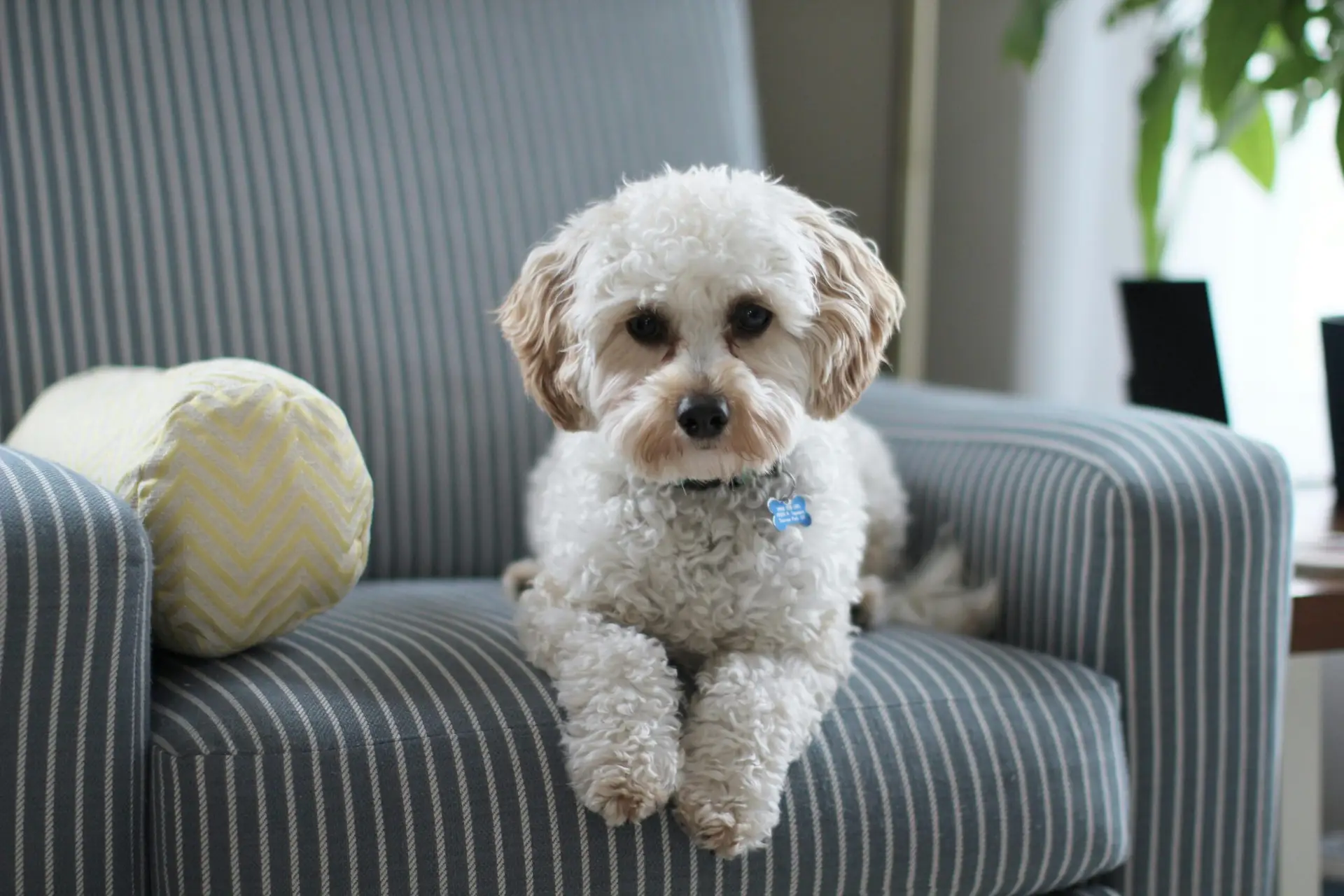
Before your new furry friend arrives, make your home safe and comfy. Puppy-proofing and setting up a special area for your dog are key. They ensure a smooth start and a happy life together.
7. Puppy-Proofing Your Living Space
To keep your curious pup safe, follow these steps:
- Remove or secure hazardous items like electrical cords, toxic plants, and small objects that could be swallowed
- Block off stairs, balconies, and other dangerous areas with baby gates or pet barriers
- Store cleaning supplies, medications, and other harmful substances out of reach
- Cover or remove any sharp edges or corners on furniture
Dr. Jennifer Coates, a vet and author, says:
Puppies are like toddlers – they’ll put anything and everything in their mouths. It’s up to you to make sure their environment is safe and free from hazards.
Creating a Safe and Comfortable Designated Area for Your Dog
Set up a cozy area for your small dog with:
- A comfortable bed or crate with soft bedding
- Age-appropriate toys for mental stimulation and physical activity
- Food and water bowls
- A puppy pad or litter box for indoor potty training
Choose a quiet, low-traffic area for your dog’s space. A spare room or a corner of your living room works well. It helps your pup feel secure and relaxed in their new home.
FAQ
Q: What should I include in my puppy starter kit?
A: Your puppy starter kit should have everything you need to make your new family member feel at home. This includes a crate for crate training, food and water bowls (stainless steel is best), chew toys to keep those little teeth busy, grooming supplies like dog shampoo, and cleaning supplies for any accidents. Don’t forget the treats – they’ll come in handy for training!
Q: How do I choose the right crate for my new puppy?
A: When selecting a crate for your four-legged friend, make sure it’s big enough for your puppy to stand up, turn around, and lie down comfortably. You want it to be cozy, not a cavernous space where they can throw a rave. A crate that allows your puppy to grow is ideal, so look for one that can expand or comes with dividers!
Q: What type of puppy food should I buy for my new addition?
A: When it comes to puppy food, you’ll want to select high-quality puppy food specifically formulated for their growth needs. Check with your vet for recommendations based on your puppy’s breed and size. Remember, this is not the time to go gourmet with human food—puppies have different dietary requirements than adults!
Q: Do I really need a playpen for my puppy?
A: Yes, a playpen can be a lifesaver! It provides a safe space for your puppy to play while keeping them out of trouble. It’s like their little kingdom where they can frolic without the risk of chewing on your favorite shoes or decorating the living room with shredded paper. Plus, it helps with house training!
Q: How can I help my new puppy get accustomed to their crate?
A: Start by making the crate a positive space. Place some comfy bedding and a few chew toys inside. Feed your puppy their meals in the crate and toss in some tasty treats now and then. Gradually increase the time they spend inside with the door closed to help them feel secure. Just remember, it’s not a prison; it’s a cozy den!
Q: What grooming supplies should I have for my new puppy?
A: Grooming supplies are essential for keeping your puppy looking sharp and feeling fresh! Make sure you have a good brush that suits your puppy’s coat type, dog shampoo for those bath days, nail clippers (or a grinder if you want to be fancy), and a towel for drying off. Regular grooming helps with bonding and keeps shedding in check!
Q: What cleaning supplies should I stock up on for my new pet?
A: Accidents happen, especially with a new puppy! Stock up on cleaning supplies like enzyme-based cleaners that will zap those odors from your pet home. Poop bags are a must for outdoor adventures, and puppy pads can help during house training. Trust us, the more prepared you are, the less stress you’ll have!
Q: Is it important to microchip my new puppy?
A: Absolutely! Microchipping your puppy is like giving them a little ID card that they can’t lose. If they ever wander off during playtime or that rare escape, a microchip can help reunite you with your furry friend. It’s a small step for you, but a giant leap for pet ownership peace of mind!
Q: When should I start crate training my puppy?
A: You can start crate training as soon as you bring your new puppy home. The sooner they learn that their crate is a safe and comfortable space, the better! Just remember to be patient and make it a positive experience. They’ll soon see it as their personal retreat rather than a place to be punished.
Conclusion
Welcoming a new small dog is exciting and rewarding. Make sure you have all the essential supplies in your starter kit. This will help your furry friend feel comfortable and loved from the start.
Don’t forget to get high-quality food, toys, a cozy bed, and grooming tools. Puppy-proofing your home and setting up a safe space is also key. It helps your new friend feel secure and happy.
Use this guide as a checklist for new small dog owners. Make sure you have everything before bringing your puppy home. With the right preparation and love, you’re ready for a wonderful journey with your tiny furry friend.